
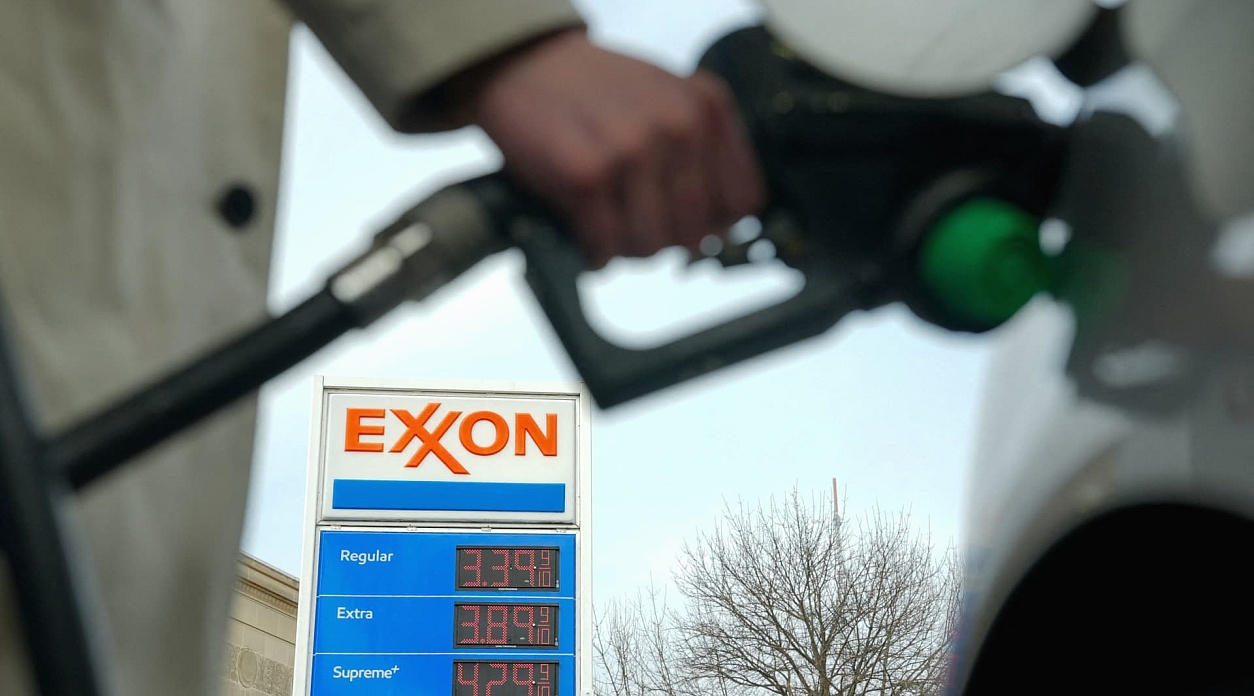
Consumers in the United States are experiencing significant financial pressure as oil prices and borrowing costs rise amid the ongoing conflict with Iran. Crude oil prices have surged recently, driven by renewed fighting between the U.S. and Iran, which is expected to push fuel prices higher at gas stations nationwide.
Energy costs represent more than half of the increased expenses faced by households. According to an analysis by Moody’s Analytics as of September 11, the average American household has paid approximately $1,760 extra since the conflict began. Roughly $930 of this amount stems from higher energy prices, including gasoline, diesel, and jet fuel.
Crude oil prices topped $105 per barrel on Tuesday, marking the highest closing level since mid-May. Despite assurances from Energy Secretary Chris Wright that a Saudi Arabian pipeline closure would be brief, fuel prices continue to climb. The average price for a gallon of gasoline in the U.S. reached over $4.32 on Tuesday, rising 6% from the previous month and 36% compared to last year, according to AAA data.
Diesel prices have also hit record highs, surpassing $6 per gallon and increasing roughly 70% year-over-year. Economists warn that businesses may pass on the increased costs of diesel, essential for freight and grocery transport, to consumers through higher prices on goods.
Consumer sentiment reflects growing concern about fuel costs. In September, more than 29% of respondents to the University of Michigan’s survey cited gas prices as a significant issue, up sharply from previous years.
Inflation impact extends beyond direct fuel costs. A Deloitte report from May found that a 20% increase in crude oil prices can push inflation up by about 0.3 percentage points, excluding indirect effects on airfare and food prices. Since the conflict started, airfare has been among the fastest-rising expenses, increasing more than 23% in August year-over-year, based on the latest Bureau of Labor Statistics data.
Interest rates have also climbed. The 10-year U.S. Treasury yield reached its highest point since 2007 on Tuesday, roughly one percentage point above last year’s level. This increase stems largely from investor concerns about inflation and the government’s expanding debt due to increased military spending related to the conflict.
Higher borrowing costs impact consumers’ ability to afford major purchases, including homes and vehicles. The University of Michigan’s July survey indicates that 44% of respondents expect borrowing costs to rise over the next year, a 10 percentage point increase from the previous year. More consumers consider it a bad time to buy a vehicle, citing high interest rates and tight credit conditions.
Mortgage rates have followed suit, with the average 30-year fixed rate surpassing 7% in September for the first time in more than a year. This rise worsens the housing affordability crisis, as reflected by the Atlanta Federal Reserve’s home ownership affordability index dropping to near-record lows this summer.
Labor market effects may also emerge. Higher borrowing costs can lead companies to slow hiring or delay payroll expansions. Labor economist Nicole Bachaud from ZipRecruiter notes that rate increases by the Federal Reserve could reduce firms’ willingness to add staff, contributing to the existing ‘low hire, low fire’ environment.
Federal Reserve expectations include at least two rate hikes in the coming year, with futures markets pricing a more than 92% chance of a rate increase at the upcoming meeting. This would end a pause of over three years in rate hikes by the central bank.
Military spending linked to the Iran conflict adds to the financial burden on consumers. Approximately $405 of the additional household costs are attributed to increased defense expenditures, which the government finances through debt or higher taxes.
Summary of household cost increases since the conflict began:
- Energy costs: $930 per household
- Higher interest rates: $425 per household
- Military spending: $405 per household
Total:
Approximately $1,760 per household