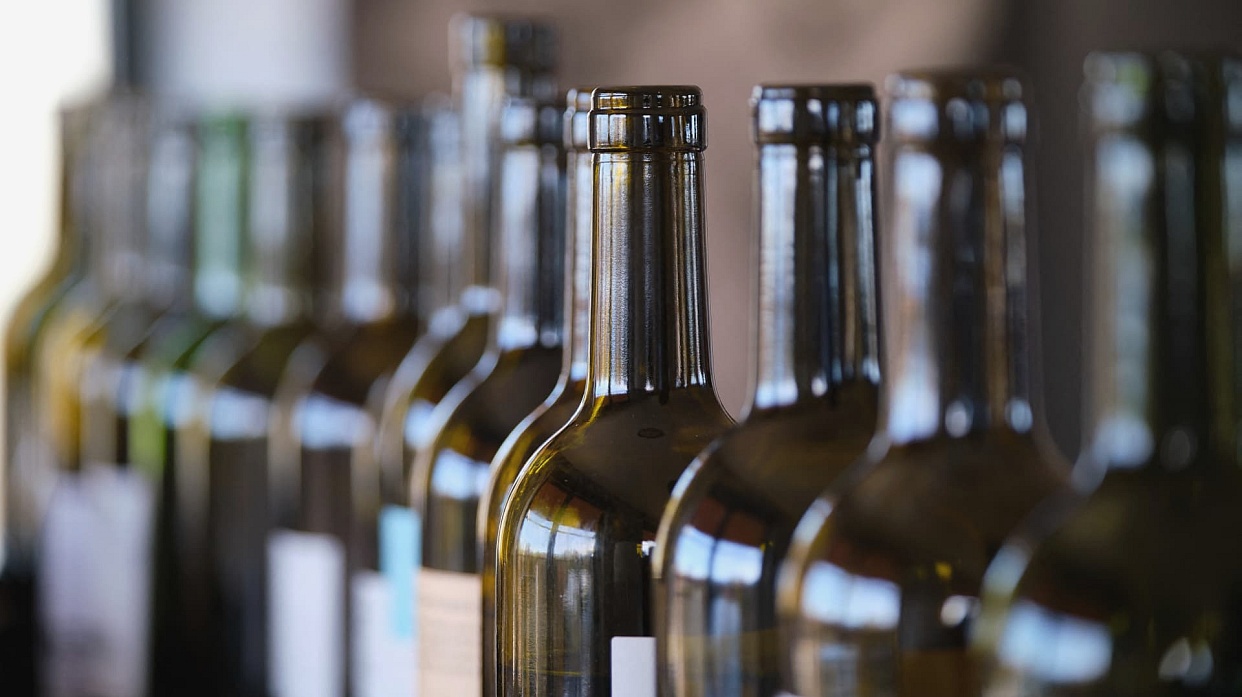
France’s wine production is set to reach its lowest level in nearly 70 years, with severe drought and record heatwaves severely impacting the sector in 2026. Producers across the country are confronting dwindling yields, notably in historically temperate regions.
Florent Latour, CEO of Maison Louis Latour, which owns some of Burgundy’s most prestigious Grand Cru vineyards, described the summer as a period of anxious anticipation. He noted that despite hopes for rain to boost yields, only about half of the usual harvest volume was achieved, albeit with maintained quality.
The agriculture ministry has highlighted that the current year marks the third consecutive year of declining wine production. Experts observe that while 2023 had an acceptable vintage, the current decade has seen consistently poor yields due to climate extremes.
Jean-Marie Cardebat, chair of wines and spirits at INSEEC Grande École and economics professor at the University of Bordeaux, pointed out that no French wine region remains untouched by heatwaves. Paradoxically, cooler areas such as the Loire Valley and Champagne are suffering more compared to traditionally warmer southern areas like Bordeaux and Languedoc-Roussillon, which reported better harvests this year.
Climate adaptation challenges are compounded by France’s limited irrigation infrastructure. Cardebat contrasted France’s situation with Spain, where established irrigation networks offer some resilience. In France, irrigation remains tightly regulated and rarely permitted except in exceptional circumstances, slowing adaptive responses.
Regulatory constraints are becoming a focal point in discussions about the future of French wine production. Chateau Lafleur stirred controversy after leaving the Bordeaux appellation system last year, citing strict rules on irrigation, planting density, and grape varieties as barriers to climate adaptability. The vineyard’s owners believe stepping outside these regulations allows them to respond more precisely to climate shifts and secure the vineyards’ future.
Earlier harvests are increasingly common, driven by rising temperatures. Latour reported that in 2026, harvesting began on August 14, the earliest in his domaine’s history. Over the decades, the average midpoint of harvest has shifted forward by about a month since the 1930s. This acceleration creates logistical issues, demanding that vineyard teams be flexible and ready at short notice due to unpredictable ripening.
The economic impact is significant. France is at risk of dropping to third place globally in wine production, behind Italy and potentially Spain. Cardebat emphasized that this ranking shift symbolizes a broader production problem with major revenue implications for France and its wine enterprises.
The government’s economic outlook reflects these challenges. It recently lowered the 2026 growth forecast to 0.5%, attributing a 0.1 percentage point reduction to heatwave and drought effects. Concurrently, wine production costs are rising amid depleted financial reserves, creating a cycle of reduced investment capacity despite the need for increased adaptive spending.
Business failures in the wine sector have tripled from 2019 to 2025, with concerns that 2026 may see equally high distress levels. In response, the French government announced an emergency aid package exceeding 1 billion euros aimed at supporting farmers and winegrowers affected by climate extremes.
Industry consolidation appears to be accelerating as estates grow larger to better absorb the costs of labor, equipment, and facilities needed for adaptation. Latour noted that while scale helps manage expenses, family ownership remains highly valued within the market.
Declining domestic consumption adds further pressure. Regular wine drinkers have fallen from nearly half of the population in 1960 to under 10% by 2018. Inflation and increased tariffs have led to stock accumulation, prompting some vineyards to uproot vines to curb production.
Summary of key factors impacting French wine in 2026:
- Production level: Near a 70-year low, third consecutive year of decline.
- Regions affected: Temperate areas like Loire Valley and Champagne hardest hit; southern regions fared better.
- Climate effects: Record heatwaves, droughts, and earlier harvests.
- Regulatory issues: Strict appellation rules limit adaptive measures such as irrigation.
- Economic impact: Potential drop to third-largest wine producer globally, increased costs, business failures.
- Government response: Over 1 billion euros in emergency aid for farmers and winegrowers.
- Industry trends: Larger estates due to cost pressures, declining domestic consumption.
Leia também: