The Federal Reserve approved its first interest rate increase in over three years on Wednesday, raising the overnight funds rate by 25 basis points to a target range of 3.75% to 4%. The Federal Open Market Committee (FOMC) voted unanimously, 12-0, to implement the hike amid ongoing inflation pressures linked to rising oil prices and related economic factors.
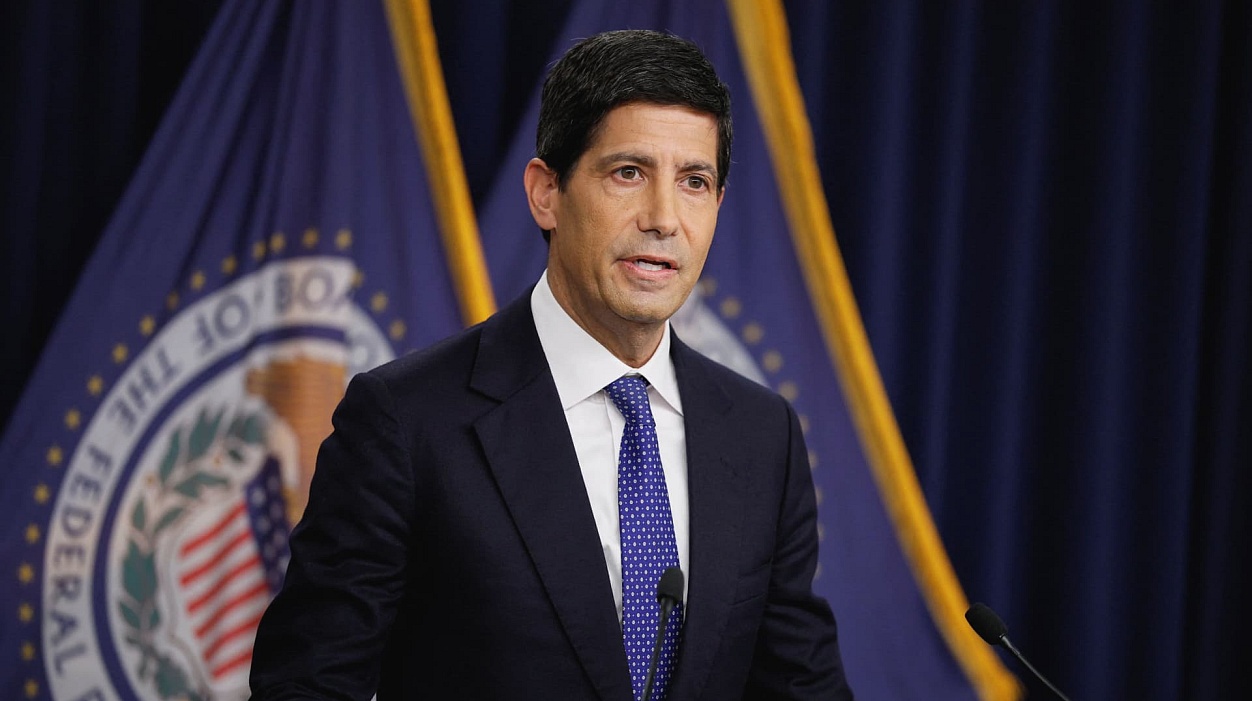
Inflation concerns remain central to the decision. The committee stated that prices are “elevated” and emphasized the need for “a timelier return to the Committee’s 2 percent goal” to maintain price stability. Chairman Kevin Warsh noted during a press conference that inflation has been “too high for too long” and that the FOMC determined the current conditions do not yet meet the criteria for pausing rate hikes.
Economic conditions continue to show strength, including in the labor market, Warsh added, but inflation remains above target. He also cited geopolitical tensions in the Middle East as an influence on the decision. The committee’s outlook reflects a cautious approach to inflation that has not yet subsided.
Market expectations largely anticipated the move, with more than 90% probability priced in by investors ahead of the announcement. The revised projections from the committee indicate that most officials expect at least one more rate hike before the end of the year. According to the dot-plot forecast, 16 of 18 participants foresee another increase, while four of those anticipate two additional hikes. Two members anticipate no further increases this year.
Longer-term projections suggest no planned rate hikes beyond this year, with potential rate cuts forecasted for 2028 and 2029. Inflation expectations for 2026 have been slightly raised, with the headline personal consumption expenditures (PCE) index projected at 3.7% and core PCE excluding food and energy at 3.4%, up 0.1 percentage point from June. The Fed expects inflation to decline sharply by 2027 and reach its target around 2029.
Unemployment outlook has improved, with the committee lowering its forecast to 4.1%, a 0.2 percentage point drop from earlier this year. This strengthening labor market influences the Fed’s decision to tighten monetary policy despite past hesitations.
Context for the hike is notable because the Fed has typically looked past inflation spikes driven by external shocks, such as energy prices related to the conflict in Iran and ongoing effects of tariffs. However, officials are now considering the risk that persistent high energy costs could embed higher inflation expectations across the economy. Increased investment in artificial intelligence is also viewed as a potential inflation driver.
Historical factors remain in the background. Policymakers recall the unexpected inflation surge following the Covid-19 pandemic, which reached four-decade highs before prompting action. Last July’s FOMC meeting had dissenters favoring a rate increase, highlighting a shift in policy debate dynamics.
Market reaction saw the S&P 500 rise following the announcement, while Treasury yields softened slightly. Prior to the meeting, yields had climbed significantly, with the 10-year Treasury note up about a full percentage point since February lows and the 2-year note, sensitive to rate expectations, rising even more sharply.
Borrowing costs have also increased, with 30-year fixed mortgage rates climbing to 7.19%, marking a notable rise from a year ago and following recent Fed communications.
Summary of key points:
- Rate hike: Fed increased target rate by 25 basis points to 3.75%-4%.
- Inflation: Elevated, with 2026 projections slightly higher than previous estimates.
- Future hikes: Most officials expect at least one more this year.
- Unemployment: Forecast lowered to 4.1%, indicating a strong labor market.
- Market response: Stock indices rose; Treasury yields pulled back after recent surges.
- Mortgage rates: 30-year fixed rates reached 7.19%, reflecting higher borrowing costs.
What comes next:
The Federal Reserve is likely to monitor inflation trends closely while preparing for a potential additional rate increase before the end of 2026, as it balances economic growth with its price stability goals.