
U.S. inflation remained elevated in August as a sharp increase in energy prices helped push consumer costs higher, strengthening expectations that the Federal Reserve could raise interest rates at its upcoming policy meeting.
The consumer price index increased 0.4% on a seasonally adjusted basis in August, according to the Bureau of Labor Statistics. Over the previous 12 months, the index rose 3.4%.
The headline figures show that inflation remains above the Federal Reserve’s long-term 2% objective at a particularly important moment for monetary policy.
Excluding the more volatile food and energy categories, core CPI increased 0.3% during the month and 2.4% from a year earlier. The monthly increase came in slightly above forecasts, while the annual reading was consistent with expectations.
The combination of persistent underlying inflation and rapidly rising energy prices immediately affected expectations for the Federal Reserve.
Following the report, traders increased the implied probability of a quarter-percentage-point interest rate increase at the next Federal Open Market Committee meeting to nearly 90%, according to futures-market pricing reflected in CME Group’s FedWatch tool.
The report is especially important because it represents the last major inflation data available before policymakers make their next interest-rate decision.
Headline Inflation Rises 0.4% in August
The 0.4% monthly increase in consumer prices demonstrates that inflationary pressure remains present across the U.S. economy.
On an annual basis, CPI increased 3.4%.
That means consumer prices are continuing to rise significantly faster than the Federal Reserve’s long-term inflation objective.
However, headline CPI can be heavily influenced by categories such as food and energy.
Energy prices in particular can move rapidly in response to geopolitical events, supply disruptions and changes in global commodity markets.
That is exactly what happened in August.
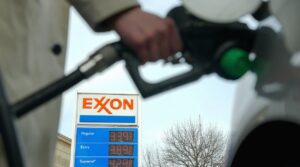
A substantial portion of the month’s inflation increase came from higher energy costs, with gasoline playing an especially important role.
Gasoline Prices Jump 3.9%
Gasoline prices increased 3.9% in August and accounted for more than one-third of the overall monthly increase in the consumer price index.
The broader energy index rose 2.1%.
On an annual basis, energy costs were up 16.3%.
Gasoline prices had increased 27.4% from a year earlier, while fuel oil registered an extraordinary 52% annual increase.
Those numbers demonstrate how strongly energy markets are affecting the inflation picture.
The rise has coincided with heightened tensions in the Middle East, creating concerns about energy supply and pushing prices higher.
For American households, gasoline is one of the most visible forms of inflation.
Consumers encounter fuel prices frequently, making changes immediately noticeable.
But the economic impact extends well beyond what drivers pay at gas stations.
Energy Inflation Can Spread Through the Economy
Higher energy prices can influence the cost of producing and transporting almost everything.
Trucking companies use fuel to move goods.
Airlines consume large quantities of energy.
Manufacturers require electricity and other energy inputs.
Agricultural businesses rely on fuel for equipment and transportation.
When those costs increase, businesses must decide whether to absorb the additional expense or pass it to customers through higher prices.
This creates the possibility that an initial energy shock can eventually influence other inflation categories.
That risk is particularly important for the Federal Reserve.
Policymakers cannot directly control the global price of oil through interest rates.
However, they need to consider whether an energy-driven increase in headline inflation could eventually affect consumer expectations, wages and broader pricing behavior.
Core CPI Shows Inflation Pressure Has Not Disappeared
Because food and energy prices can fluctuate significantly, economists often examine core CPI to obtain a clearer picture of underlying inflation.
Core consumer prices increased 0.3% in August.
That was slightly stronger than forecasts.
Over the previous 12 months, core CPI increased 2.4%.
The annual number is substantially lower than the 3.4% headline inflation rate, demonstrating how much energy prices are contributing to the current inflation environment.
Still, the monthly core reading suggests that underlying price pressure has not completely disappeared.
For the Federal Reserve, this distinction matters.
If headline inflation rises primarily because of a temporary energy shock while core inflation continues falling, policymakers may be more willing to wait.
If core inflation also begins accelerating, the argument for tighter monetary policy becomes stronger.
Shelter Costs Increase Again
Shelter remains another important component of the inflation picture.
Housing-related costs increased 0.3% in August.
The increase reversed some of the moderation seen recently and is important because shelter carries significant weight in the CPI calculation.
Housing inflation can also behave differently from other consumer prices.
Rental agreements and housing contracts adjust gradually, meaning changes in real-time market conditions can take time to appear fully in official inflation statistics.
That can make shelter inflation persistent even after broader economic conditions begin changing.
For Federal Reserve officials looking for convincing evidence that inflation is moving sustainably toward the 2% objective, renewed pressure in shelter costs may therefore attract attention.
Transportation Services Rise 0.5%
Transportation services also contributed to inflation during August.
The category increased 0.5% during the month.
Transportation costs can reflect several economic forces, including labor expenses, demand and fuel prices.
The increase becomes particularly relevant when combined with the sharp rise in gasoline and broader energy costs.
If transportation expenses remain elevated, they can indirectly influence the price of other goods and services throughout the economy.
That is because transportation is an essential component of supply chains.
Almost every physical product needs to move between producers, warehouses, stores and consumers.
Vehicle Prices Continue Moving Higher
Prices for both new and used vehicles increased during August.
Used cars and trucks rose 0.4%.
New vehicle prices increased 0.3%.
Vehicle prices became a major source of inflation volatility during earlier periods of supply-chain disruption, and economists continue monitoring the category closely.
The latest increases indicate that consumers are still facing upward pressure when purchasing vehicles.
Financing costs add another dimension.
When interest rates are elevated, consumers can simultaneously face higher vehicle prices and expensive auto loans.
That combination can significantly increase monthly payments.
If the Federal Reserve raises rates again, financing conditions could remain restrictive for borrowers.
Some Categories Provided Relief
Not every component of the CPI increased.
Apparel prices were unchanged in August.
Motor vehicle insurance costs declined 0.8%.
Food inflation was also relatively modest on a monthly basis.
Overall food prices increased 0.1%, while food consumed at home was essentially stable.
On an annual basis, however, food inflation accelerated to 2.7%.
Food prices are particularly important to household perceptions of inflation because groceries represent frequent and unavoidable purchases.
Even when monthly increases are small, consumers can remain sensitive to prices that are significantly higher than they were several years earlier.
Markets Quickly Increased Fed Rate Hike Bets
Financial markets reacted rapidly to the CPI report.
Traders increased the probability of a 25-basis-point Federal Reserve rate increase at the upcoming meeting to nearly 90%, according to futures pricing.
A basis point equals one-hundredth of a percentage point, meaning a 25-basis-point increase would raise the policy rate by 0.25 percentage point.
The reaction demonstrates how closely investors are monitoring inflation data.
Markets attempt to anticipate Federal Reserve policy rather than waiting for the official announcement.
As economic information changes, traders continuously adjust expectations for future interest rates.
Those changes can immediately influence Treasury yields, stocks, currencies and other financial assets.
Fed Funds Rate Has Remained at 3.5% to 3.75%
The federal funds target range has remained between 3.5% and 3.75% throughout 2026.
That stability has given policymakers time to evaluate whether previous monetary tightening is sufficient to return inflation toward the Fed’s target.
The August report complicates that calculation.
Inflation remains above target.
Energy prices are rising rapidly.
Core monthly inflation came in slightly stronger than expected.
Shelter costs increased again.
Taken together, those factors could strengthen the argument that monetary policy needs to become somewhat more restrictive.
However, one inflation report does not automatically determine Federal Reserve policy.
Officials also consider employment, economic growth, financial conditions and risks to the broader economy.
Kevin Warsh Has Emphasized the 2% Inflation Goal
Federal Reserve Chairman Kevin Warsh has emphasized the importance of returning inflation to the central bank’s 2% objective.
That commitment has led investors to focus closely on whether policymakers will respond to renewed inflation pressure.
If the Fed believes higher energy costs could spread into broader inflation, officials may prefer to act sooner.
If policymakers view the energy shock as temporary, they may be more cautious about tightening monetary policy based primarily on volatile commodity prices.
Other Federal Reserve officials have advocated patience, reflecting the uncertainty surrounding the outlook.
The debate therefore centers not only on where inflation is today, but where policymakers believe it is heading.
Economists Raise Expectations for a Quarter-Point Hike
The August CPI report also caused some economists to revise their forecasts.
Kathy Bostjancic of Nationwide raised expectations for a quarter-point rate increase at the upcoming meeting, according to the information provided.
That shift reflects a broader change in market sentiment.
Before an FOMC meeting, economists and traders evaluate multiple pieces of data to estimate how officials are likely to vote.
A stronger-than-expected core CPI reading can materially affect those calculations.
The sharp rise in energy costs adds another concern because continued geopolitical tension could keep inflation elevated in the months ahead.
Why the Fed Faces a Difficult Decision
Raising interest rates can help control inflation by making borrowing more expensive.
Higher rates can discourage some consumer spending.
Businesses may delay investments.
Housing demand can weaken.
Financial conditions can become more restrictive.
Collectively, those changes can reduce demand and eventually slow price increases.
But higher rates also create economic risks.
Mortgages, auto loans, credit cards and business financing can become more expensive.
Companies may reduce hiring or investment.
Economic growth can slow.
The Federal Reserve therefore needs to balance the risk of persistent inflation against the risk of tightening policy too aggressively.
Energy Prices Create an Unusual Policy Challenge
The current environment is especially difficult because energy is contributing so heavily to headline inflation.
Higher interest rates cannot create more oil or directly resolve geopolitical tensions in the Middle East.
That means the Fed must determine whether responding to an energy shock with higher rates would meaningfully improve inflation or simply place additional pressure on the economy.
The answer depends partly on whether energy inflation remains isolated.
If gasoline prices rise but other inflation categories continue moderating, policymakers could view the shock differently.
If businesses begin raising prices broadly to compensate for higher energy costs, the problem becomes more serious.
Inflation expectations are another concern.
If households and companies begin believing that higher inflation will persist, their behavior can contribute to making it more persistent.
Higher Rates Would Affect Consumers and Investors
A quarter-point Fed increase could have consequences throughout the financial system.
Variable-rate borrowing could become more expensive.
Credit card rates could remain elevated.
Businesses could face higher financing costs.
At the same time, savers and fixed-income investors may benefit from higher yields.
Stock investors would also need to consider the effect of a more restrictive rate environment on company valuations.
Higher bond yields can make fixed-income investments more competitive with equities.
Growth stocks can be particularly sensitive because higher interest rates reduce the present value investors assign to profits expected far into the future.
Markets therefore care about more than the immediate rate move.
They want to know what the decision implies about the entire future path of monetary policy.
The August CPI Report Sets the Stage for the Fed
The latest inflation report gives Federal Reserve officials a complicated final picture before their upcoming policy decision.
Headline CPI rose 0.4% in August and 3.4% over the past year.
Core CPI increased 0.3% for the month and 2.4% annually.
Gasoline jumped 3.9%, while the broader energy index climbed 2.1%.
Shelter costs increased 0.3%, transportation services rose 0.5%, and both new and used vehicle prices moved higher.
At the same time, apparel prices were unchanged, motor vehicle insurance declined and monthly food inflation remained modest.
The result is an economy where underlying inflation has moderated substantially from headline levels but has not completely disappeared — just as an energy shock is adding fresh pressure.
Markets have responded by placing nearly 90% odds on a quarter-point rate increase.
But the final decision belongs to Federal Reserve policymakers.
Their challenge will be determining whether August represents a temporary inflation setback driven largely by energy or the beginning of a broader resurgence that requires additional monetary tightening.
That distinction could determine not only the next interest-rate decision but also the direction of U.S. monetary policy for the remainder of 2026.