American consumer sentiment deteriorated dramatically in September, falling to its second-lowest level since 1952 as rising energy costs, persistent inflation and uncertainty surrounding the economic outlook intensified concerns about household finances.
The University of Michigan’s closely watched consumer sentiment index dropped to 47.8 in September, according to the monthly survey released Friday.
That represents a 7.5% decline from August and a 13.2% decrease from the same period a year earlier.
The unusually weak reading signals growing pessimism among Americans about both their personal financial situations and the broader economy.
Consumers are particularly concerned about what lies ahead.
While the survey’s current conditions index declined a relatively modest 1.9%, the expectations component plunged 11.1%.
The difference suggests that Americans are not simply dissatisfied with economic conditions today. They are increasingly worried that their finances and the overall business environment could deteriorate over the coming year.
Rising fuel prices appear to be one of the biggest reasons for that concern.
Consumer Sentiment Falls to 47.8
The University of Michigan consumer sentiment survey is widely followed because household confidence can provide insight into future spending behavior.
Consumers account for a substantial share of U.S. economic activity.
When households feel financially secure, they may be more willing to purchase vehicles, travel, eat at restaurants, renovate homes and make other discretionary purchases.
When confidence falls, consumers can become more cautious.
They may postpone expensive purchases, increase savings or search more aggressively for cheaper alternatives.
September’s reading of 47.8 therefore carries broader implications for the economy.
The 7.5% monthly decline is significant on its own.
The fact that sentiment is now at its second-lowest level since 1952 makes the deterioration particularly notable.
Americans Are More Worried About the Future Than the Present
The details of the survey reveal an important distinction.
Current economic conditions weakened, but not nearly as dramatically as expectations.
The current conditions index declined 1.9%.
By comparison, the expectations index fell 11.1%.
That gap suggests consumers are becoming significantly more pessimistic about what will happen over the next year.
Survey director Joanne Hsu said expectations for both personal finances and business conditions deteriorated substantially.
Consumers increasingly expect tighter household budgets.
The concern is not based on a single economic issue.
Persistent inflation, rising fuel prices and ongoing trade tensions are combining to create uncertainty about the months ahead.
Inflation Expectations Jump to 4.6%
One of the most important developments in the survey was the increase in consumers’ inflation expectations.
Respondents now expect prices to increase 4.6% over the coming year.
That is 0.6 percentage point higher than the previous reading and represents the highest one-year inflation expectation since June.
This figure is different from the current inflation rate.
Official data show consumer prices increased 3.4% over the past 12 months.
The University of Michigan’s 4.6% figure reflects what consumers believe inflation will be over the next year.
The distinction matters because expectations can influence economic behavior.
If households believe prices will continue rising rapidly, they may adjust spending decisions.
Workers may demand larger wage increases.
Businesses may become more willing to raise prices if they believe customers expect inflation.
That is one reason the Federal Reserve monitors inflation expectations closely.
Gasoline Prices Are Driving Consumer Anxiety
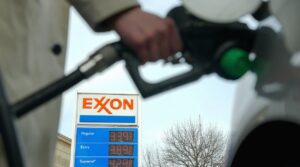
Energy has become one of the most visible sources of inflation pressure.
Gasoline prices increased 3.9% in August alone, according to Bureau of Labor Statistics data.
Compared with a year earlier, gasoline prices were up 27.4%.
For consumers, gasoline inflation can be particularly powerful psychologically.
Fuel prices are displayed prominently at gas stations and encountered frequently by millions of drivers.
A consumer may not immediately notice small monthly changes in the price of a service purchased once a year.
A gasoline price increase can be visible every few days.
That repeated exposure can influence perceptions of the broader economy.
Fuel Oil Prices Have Surged 52% Over the Past Year
Fuel oil has experienced an even larger increase.
Prices rose 10.1% in August and were 52% higher than a year earlier.
Such increases can place substantial pressure on households that depend directly on fuel oil.
But energy inflation can also spread beyond consumers’ direct purchases.
Transportation companies need fuel.
Manufacturers use energy.
Airlines purchase enormous quantities of petroleum products.
Agricultural businesses rely on diesel and other fuels.
When energy becomes more expensive, companies throughout the economy can face higher operating costs.
Some of those expenses may eventually be passed to consumers through higher prices.
Energy Inflation Creates a Broader Economic Problem
The current energy shock therefore has consequences beyond gasoline stations.
Higher fuel costs can increase the expense of transporting goods from factories to warehouses and from warehouses to stores.
Food distribution can become more expensive.
Delivery services can face higher costs.
Businesses may see profit margins squeezed.
If companies respond by raising prices, an initial energy shock can contribute to broader inflation.
This possibility is especially important because consumers already expect inflation to accelerate.
The combination of actual energy inflation and rising inflation expectations can make policymakers more concerned that price pressures could become persistent.
Overall Inflation Remains at 3.4%
Official consumer price data show inflation running at 3.4% year over year.
That remains well above the Federal Reserve’s long-term 2% objective.
Although inflation has moderated substantially from earlier peaks, the latest figures indicate that the central bank has not yet fully achieved price stability.
The problem is complicated by the composition of inflation.
Energy is playing an increasingly important role.
Interest rates can reduce demand across the economy, but monetary policy cannot directly increase oil production or resolve geopolitical supply disruptions.
That creates a difficult decision for Federal Reserve officials.
They need to determine whether rising energy prices are likely to remain temporary or spread into broader inflation.
Markets See More Than 85% Chance of a Rate Hike
Financial markets increasingly believe the Federal Reserve will respond by raising interest rates at its upcoming meeting.
Following the latest inflation data, traders pushed the implied probability of a rate increase above 85%, according to the information provided.
That means markets now view a hike as the overwhelmingly more likely outcome, although the final decision remains with Federal Reserve policymakers.
A rate increase would represent another attempt to prevent inflation from becoming entrenched.
Higher interest rates make borrowing more expensive.
That can reduce demand for homes, vehicles and other financed purchases.
Businesses may also reduce investment when financing becomes more costly.
Slower demand can eventually reduce the ability of companies to increase prices.
Higher Rates Could Add to Consumer Concerns
The challenge is that a Federal Reserve rate increase could create another source of pressure for households already worried about inflation.
Consumers with variable-rate debt may face higher borrowing expenses.
Credit card rates can remain elevated.
Auto loans may become more expensive.
Mortgage affordability can remain under pressure.
The Federal Reserve could therefore find itself in a difficult position.
Allowing inflation to remain elevated risks further damaging household purchasing power.
Raising rates to fight inflation can increase financing costs and potentially slow economic growth.
The central bank’s goal is to find a balance that brings inflation back toward 2% without causing unnecessary economic weakness.
Sentiment Can Influence Consumer Spending
Weak consumer sentiment does not automatically mean consumer spending will collapse.
What people say in surveys and what they actually do with their money can sometimes differ.
Households may report significant economic anxiety while continuing to spend because employment and income remain sufficient.
Still, a persistent decline in confidence can eventually affect behavior.
Consumers may postpone discretionary purchases.
A family considering a new vehicle may decide to keep its current car another year.
Someone planning a vacation may choose a cheaper destination.
Households may reduce restaurant visits or switch to lower-cost grocery stores.
Individually, these decisions appear small.
Across millions of households, they can materially influence economic growth.
Personal Finance Expectations Are Particularly Important
Hsu’s observation that consumers are becoming more pessimistic about their personal finances deserves particular attention.
People may hold negative views about the national economy without significantly changing their own behavior.
Concerns about personal finances are more likely to influence actual spending decisions.
If households expect their budgets to become tighter, they may begin adjusting before financial conditions deteriorate.
They can increase emergency savings.
They can reduce discretionary expenses.
They may avoid taking on new debt.
That precautionary behavior can slow consumption even before unemployment rises or incomes decline.
Trade Tensions Add Another Layer of Uncertainty
Consumers are also dealing with uncertainty surrounding trade policy.
Trade tensions can affect household confidence because tariffs and other restrictions may influence the prices of imported goods.
Businesses facing uncertain trade conditions may also delay investment or change supply chains.
For consumers, the details of trade policy may be less important than the potential result: higher prices or weaker economic growth.
When trade concerns occur simultaneously with rapidly rising fuel costs, households can become more pessimistic about future affordability.
That appears to be contributing to the decline in September sentiment.
Inflation Expectations Can Become Self-Reinforcing
The increase in one-year inflation expectations to 4.6% could be particularly important if it persists.
Central banks care about expectations because inflation can partly depend on behavior.
Imagine workers believe prices will increase 5% over the next year.
They may seek wage increases of at least that amount to protect their purchasing power.
Businesses facing higher wages may raise prices.
Suppliers may do the same.
This can create a cycle that makes inflation more difficult to reduce.
The Federal Reserve therefore wants consumers and businesses to remain confident that inflation will eventually return toward its 2% objective.
A sharp increase in expected inflation can challenge that confidence.
Consumer Confidence Faces Multiple Pressures
The September survey reflects a convergence of economic concerns rather than a single problem.
Inflation remains above the Federal Reserve’s target.
Gasoline prices have risen 27.4% over the past year.
Fuel oil is 52% more expensive.
Consumers expect inflation of 4.6% over the next 12 months.
Trade tensions remain unresolved.
And financial markets increasingly expect another Federal Reserve rate increase.
Together, these factors create an environment where households have strong reasons to remain cautious.
Even consumers whose employment situations remain stable may worry about how much their income will buy in the future.
Businesses Should Watch Consumer Behavior Closely
The decline in sentiment also matters for corporate America.
Retailers, restaurants, travel companies and other consumer-facing businesses depend heavily on household confidence.
If consumers become more price-sensitive, companies may need to offer discounts or emphasize lower-cost products.
Premium brands could face pressure if shoppers trade down.
Businesses selling large discretionary items may experience longer purchasing cycles.
The impact will depend on whether pessimism translates into actual spending reductions.
But with sentiment approaching historic lows, companies are likely to monitor consumer behavior closely.
September’s Reading Sends a Warning About the Economy
The University of Michigan’s September survey presents a troubling picture of American consumer confidence.
The headline sentiment index fell to 47.8, down 7.5% from August and 13.2% from a year earlier.
The current conditions index declined only 1.9%, but the expectations index plunged 11.1%, showing that consumers are particularly concerned about the future.
At the same time, one-year inflation expectations jumped to 4.6%, their highest level since June.
Energy costs help explain much of that anxiety.
Gasoline prices increased 3.9% in August and 27.4% from a year earlier.
Fuel oil rose 10.1% for the month and an extraordinary 52% over the previous 12 months.
Overall inflation remains at 3.4%, above the Federal Reserve’s 2% target, while markets now assign more than an 85% probability to another interest-rate increase.
For American consumers, these numbers translate into a simple concern: everyday life may become more expensive while borrowing remains costly.
Whether that fear develops into a significant slowdown in spending will be one of the most important economic questions in the months ahead.
If confidence remains near historic lows and households begin cutting spending more aggressively, the consequences could extend well beyond consumer psychology.
They could affect corporate revenue, hiring, investment and overall economic growth.
September’s sentiment collapse is therefore more than another weak survey reading. It is a warning that persistent inflation — particularly the sharp rise in energy costs — is beginning to reshape how Americans view their financial future.