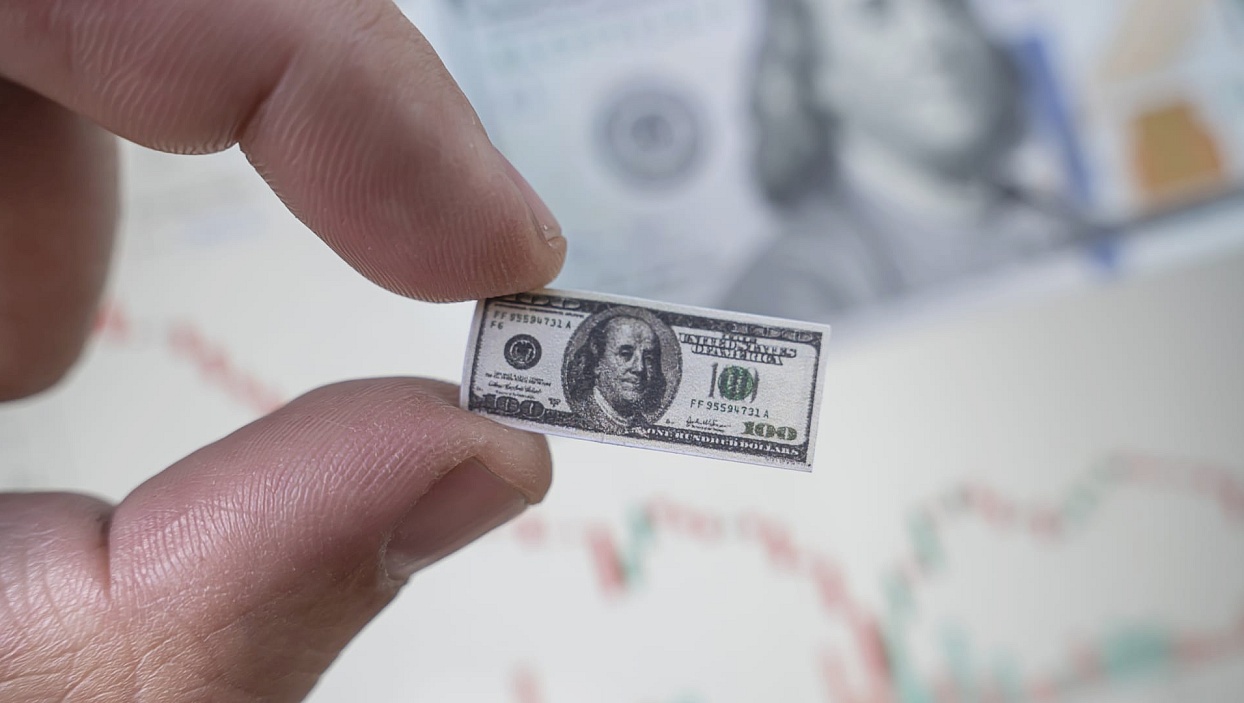
American households are once again losing purchasing power as inflation rises faster than wages, putting additional pressure on family budgets and forcing consumers across income levels to reconsider where and how they spend their money.
Consumer prices increased 3.4% in August from a year earlier, while average hourly wages rose just 3.1% over the same period, according to data from the U.S. Bureau of Labor Statistics.
The difference may appear relatively small, but it represents an important reversal for workers who had spent much of the past several years gradually recovering purchasing power lost during earlier periods of high inflation.
After adjusting for inflation, real wages declined 0.1% from July and were 0.3% lower than a year earlier in August.
In practical terms, workers may have more dollars in their paychecks than they did last year, but the prices of the goods and services they purchase have risen even faster.
The result is increasing financial pressure at a time when energy costs are climbing sharply and consumers are becoming more selective about everything from groceries to transportation.
Wage Growth Is No Longer Keeping Up With Inflation
Nominal wage growth does not necessarily mean workers are becoming financially better off.
What matters for household purchasing power is how wage increases compare with changes in prices.
If a worker receives a 3% raise while the cost of living increases 2%, that worker has experienced an improvement in real purchasing power.
But if wages increase 3% while prices rise 4%, the worker has effectively lost ground.
That is the situation many Americans are facing now.
Average hourly wages increased 3.1% over the past year, but consumer prices rose 3.4%.
As a result, real wages declined.
The trend is especially significant because workers had previously been making progress.
Workers Had Been Recovering Purchasing Power
Heather Long, chief economist at Navy Federal Credit Union, noted that wage growth had been running slightly ahead of inflation for nearly a year before the relationship changed earlier in 2026.
From approximately May 2023 through April 2026, workers were gradually recovering some of the purchasing power lost during the earlier inflation surge.
That recovery was important.
Inflation can rise rapidly, but wages often adjust more slowly.
Even after inflation begins moderating, households may need years of wage growth above inflation to restore their previous purchasing power.
The recent reversal therefore represents more than a single disappointing month.
It threatens to interrupt a long recovery process.
According to Long, rising energy costs have been a major reason inflation has once again moved ahead of wage growth.
Gasoline Prices Jumped 3.9% in August
Energy has become one of the largest sources of renewed inflation pressure.
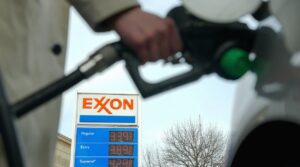
Gasoline prices increased 3.9% in August alone and accounted for more than one-third of the monthly increase in the consumer price index.
For households, gasoline inflation is especially difficult to avoid.
Many Americans rely on vehicles to commute to work, take children to school, purchase groceries and complete everyday activities.
Unlike discretionary purchases, fuel consumption can be difficult to reduce substantially in the short term.
A household may postpone buying new clothes or eating at restaurants.
It may have much less flexibility when it comes to commuting.
That means gasoline price increases can quickly reduce the amount of money available for other expenses.
Diesel Reaches $6 Per Gallon
Diesel prices have also risen sharply, recently reaching approximately $6 per gallon, according to the information provided.
Supply disruptions associated with conflicts involving Iran and Ukraine have contributed to pressure in global fuel markets.
Diesel prices matter even to consumers who do not own diesel-powered vehicles.
The fuel is widely used in commercial transportation.
Trucks carrying groceries, consumer products, construction materials and industrial goods rely heavily on diesel.
When transportation companies pay more for fuel, shipping costs can increase.
Businesses then need to decide whether to absorb those expenses or pass at least part of them on to customers.
This is one reason energy inflation can spread throughout the economy.
Geopolitical Tensions Are Reaching Household Budgets
Long directly connected the latest inflation pressure with geopolitical instability affecting global energy markets.
Events thousands of miles from American households can ultimately influence what consumers pay at gas stations and grocery stores.
Oil is traded globally.
Disruptions or fears about future supply can push prices higher even when the physical availability of fuel has not yet been severely reduced.
Higher crude oil prices can then influence gasoline, diesel, heating fuel and transportation expenses.
For households already dealing with expensive housing, insurance and food, another increase in energy costs can significantly tighten monthly budgets.
Car Ownership Is Becoming More Expensive
Navy Federal Credit Union noted that gasoline prices surged 21% in March, contributing to record costs associated with vehicle ownership.
The total cost of owning a car extends well beyond the original purchase price.
Consumers need to consider fuel, insurance, maintenance, repairs and financing.
When several of those categories become expensive simultaneously, the impact can be significant.
A worker may receive a wage increase and still feel financially worse off if the additional income is absorbed by higher transportation expenses.
For lower- and middle-income households, the impact can be even greater because essential costs often consume a larger share of total income.
Real Wages Explain Why Consumers Still Feel Inflation
One reason inflation can be politically and economically frustrating is that a lower inflation rate does not mean prices are falling.
It means prices are increasing more slowly.
If groceries, rent and gasoline became substantially more expensive during previous years, a household does not automatically recover that lost purchasing power when inflation moderates.
Workers need their incomes to catch up.
That is why real wage growth matters.
When wages consistently rise faster than inflation, households gradually regain purchasing power.
When inflation moves ahead again, that process stops or reverses.
The August data show that the relationship has once again moved in the wrong direction for workers.
Wage Growth May Not Catch Inflation Until 2027
Long expressed skepticism that inflation will decline sharply while geopolitical uncertainty remains elevated and wage growth stays relatively slow.
Under the outlook described, wage gains and inflation may not move back into alignment until early 2027.
Even reaching parity would not necessarily solve household affordability problems.
If wages and prices increase at the same rate, purchasing power essentially stops deteriorating, but workers are not gaining much ground either.
For households to meaningfully improve their financial position, wage growth generally needs to exceed inflation over a sustained period.
That allows incomes to recover relative to the higher price level.
Consumers Are Already Changing Their Behavior
Evidence suggests households are not waiting for economic conditions to improve.
They are adjusting their spending now.
Consumers are increasingly searching for lower prices and changing where they shop.
Data from YouGov indicate that higher-income consumers have increasingly favored warehouse retailers such as Costco.
Middle- and lower-income households, meanwhile, have been more likely to shop at discount-focused retailers such as Walmart Supercenter.
The shift demonstrates that price sensitivity is not limited to households with the lowest incomes.
Even relatively affluent consumers are looking for ways to reduce everyday expenses.
Grocery Shopping Shows the Pressure Clearly
Food purchases provide one of the clearest examples of changing consumer behavior.
Data from Navy Federal Credit Union covering approximately 15 million members show customers across income groups moving away from more expensive grocery stores and toward lower-cost alternatives.
Retailers such as Aldi and Costco have benefited from the search for value.
This behavior is economically significant because groceries are essential.
Consumers cannot simply stop buying food when prices increase.
Instead, they change brands, stores, quantities and product categories.
A shopper might choose private-label products instead of national brands.
Families may buy larger packages when the per-unit cost is lower.
Consumers may reduce purchases of premium products or substitute less expensive alternatives.
These small decisions can accumulate into major changes in retail spending patterns.
Higher-Income Consumers Are Trading Down Too
One notable feature of the current environment is that value-seeking behavior extends beyond lower-income households.
Higher-income consumers are also adjusting where they spend.
The reasons may differ.
A wealthy household may not be struggling to afford groceries, but persistent inflation can still change perceptions of value.
If consumers believe the price difference between premium and discount retailers has become too large, they may decide that paying more is unnecessary.
Warehouse clubs can be particularly attractive because they combine bulk purchasing with lower per-unit prices.
That helps explain the increased interest in Costco among higher-income shoppers.
Lower-Income Households Have Less Flexibility
The consequences are more serious for families with limited disposable income.
Essential expenses consume a greater share of their budgets.
Housing must be paid.
Food must be purchased.
Transportation is often necessary for employment.
Utilities cannot easily be eliminated.
When these categories become more expensive, lower-income consumers have fewer discretionary expenses available to cut.
That can force more difficult decisions.
Restaurant meals may disappear.
Travel may be postponed.
Clothing purchases can be delayed.
Consumers may trade down to cheaper brands or reduce the amount they buy.
The result is a household economy increasingly focused on affordability.
Consumer Spending Matters to the Entire U.S. Economy
The shift toward cautious spending has implications far beyond individual household budgets.
Consumer spending represents roughly two-thirds of U.S. economic activity.
That makes household behavior one of the most important drivers of the economy.
If consumers reduce spending substantially, businesses can experience slower sales.
Retailers may reduce orders.
Companies may reconsider expansion plans.
Hiring can slow.
A sustained decline in consumption can therefore contribute to weaker economic growth.
The key question is whether Americans are simply changing where they spend or actually reducing overall consumption.
Trading a premium grocery store for a discount retailer does not necessarily mean total consumer spending collapses.
But widespread caution can become economically significant if households begin postponing larger purchases as well.
Retailers Are Competing More Aggressively on Value
The current environment may favor companies capable of convincing consumers that they offer strong value.
Discount retailers and warehouse clubs have a natural advantage when shoppers become more price-conscious.
Premium retailers face a more complicated challenge.
They need to demonstrate why customers should continue paying higher prices.
That could mean emphasizing product quality, convenience, service or unique merchandise.
Companies that cannot justify the premium may lose customers to cheaper alternatives.
The same dynamic can extend beyond groceries.
Restaurants, apparel companies, travel businesses and consumer-goods manufacturers can all feel the effects of consumers becoming more selective.
The Federal Reserve Faces Another Complication
The gap between inflation and wage growth also creates a difficult environment for monetary policy.
The Federal Reserve wants inflation to return toward its 2% objective.
But higher interest rates used to fight inflation can place additional pressure on consumers.
Credit cards can remain expensive.
Auto financing costs can stay elevated.
Mortgages can become less affordable.
Businesses may face higher borrowing costs.
If inflation is being driven partly by geopolitical energy shocks, the challenge becomes even more complicated because interest rates cannot directly increase oil supply.
Policymakers therefore need to determine whether inflationary pressure is spreading broadly enough to justify tighter financial conditions.
Affordability May Remain the Central Consumer Issue
Even if inflation moderates over the coming months, affordability is likely to remain a major concern.
The cumulative increase in prices from previous years does not disappear when inflation slows.
Consumers need sustained income growth to regain purchasing power.
That means the relationship between wages and inflation may be more important to household confidence than either number individually.
A 3% wage increase can feel substantial in an environment with 1% inflation.
The same raise can feel inadequate when prices rise 4%.
August’s numbers demonstrate that distinction.
Wages increased, but purchasing power still declined.
Americans Are Learning to Stretch Every Dollar
The latest economic data help explain why consumers are changing their shopping habits even though nominal wages continue to rise.
Consumer prices increased 3.4% over the past year, while average hourly wages grew only 3.1%.
Real wages declined 0.1% from July and 0.3% from a year earlier.
At the same time, gasoline prices surged 3.9% in August, with energy costs increasingly influenced by geopolitical tensions involving Iran and Ukraine.
For American households, the result is straightforward: paychecks are not stretching as far as they did.
Consumers are responding by searching for value.
Higher-income shoppers are increasingly turning to warehouse stores such as Costco.
Middle- and lower-income households are relying more heavily on discount retailers including Walmart Supercenter.
Navy Federal’s spending data show similar movement toward lower-cost grocery options such as Aldi and Costco across income groups.
The behavior reflects an economy in which consumers are adapting rather than simply accepting higher prices.
But if inflation continues to exceed wage growth, those adjustments may become increasingly important.
With consumer spending accounting for roughly two-thirds of the U.S. economy, what happens to household purchasing power will not remain a household issue.
It will influence retailers, businesses, financial markets and potentially the broader direction of economic growth.
For workers, the critical milestone will be the return of sustained real wage growth.
Until wages once again rise faster than the cost of living, Americans are likely to continue searching for ways to make every dollar go further.